
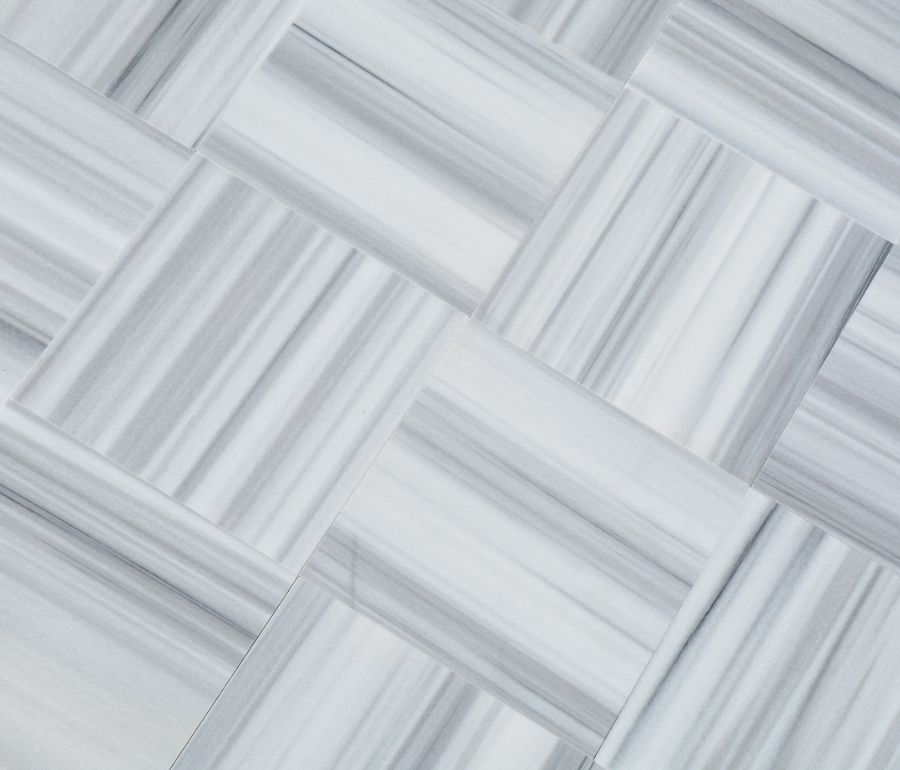
In architectural spaces, some natural stones remain on the surface; they accompany the space but do not shape it. Marmara Sperenza marble belongs to a different category. Its pattern is not merely a visual element, but an active component that influences spatial perception and rhythm. Here, the veining goes beyond decoration and becomes part of the architectural narrative.
Originating from Marmara Island, Marmara Sperenza is a refined interpretation of the marble group known in the market as Marmara Equator or Marmara Pijama, distinguished by its linear veining. This interpretation presents a familiar pattern in a more balanced, controlled, and architectural manner. When extended across a surface, the veining reads almost as if it were embedded into the spatial plan itself.
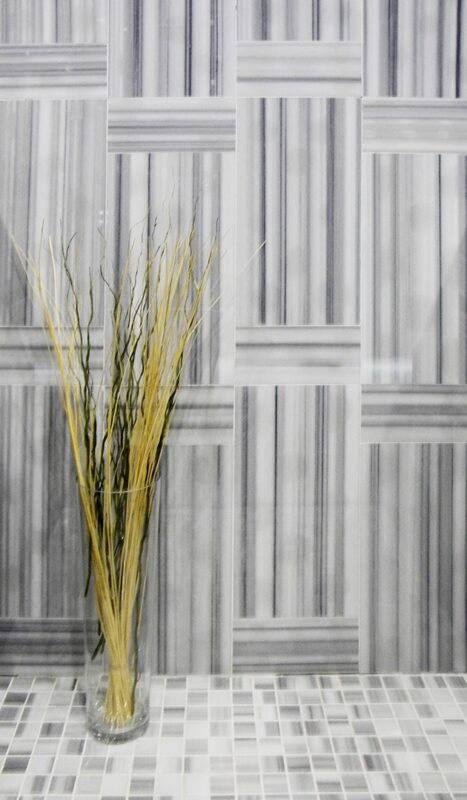
Marmara Sperenza Wall Covering
A Pattern Language Read from the Surface
One of the defining characteristics of Marmara Sperenza is the directional clarity of its veining. Rather than dispersing randomly, the grey linear veins move across the light background with intention. When observed closely, the surface appears calm; when applied within a space, it becomes a guiding element.
This pattern language is especially effective on large surfaces. The continuous linear movement along the floor reduces visual fragmentation and reinforces a sense of spatial unity. The eye naturally follows the pattern, allowing users to engage with the space on a more intuitive level.
The Rhythm Created by Pijama Veining
The veining structure commonly referred to as “pijama” in market terminology takes on a measured rhythm in Marmara Sperenza. The veins are neither completely random nor mechanically repetitive. This balance makes the stone particularly suitable for architectural applications.
When aligned with the direction of installation, Marmara Sperenza creates a natural flow throughout the space. This rhythm is most clearly perceived in corridors, entrance halls, and circulation areas. The pattern functions as a quiet guide, subtly supporting movement and spatial continuity.
An Architectural Flow That Begins with the Floor
Spatial perception often begins at ground level. Marmara Sperenza transforms this initial point of contact into a controlled yet expressive experience. The floor is no longer a passive surface but becomes one of the primary layers of architectural storytelling.
The patterned flow established on the floor provides a calm foundation for walls and other architectural elements. Rather than competing details, the space is shaped by a clear and restrained structure that originates from the ground up. This approach is particularly effective in large-scale interiors, where balance and openness are essential.
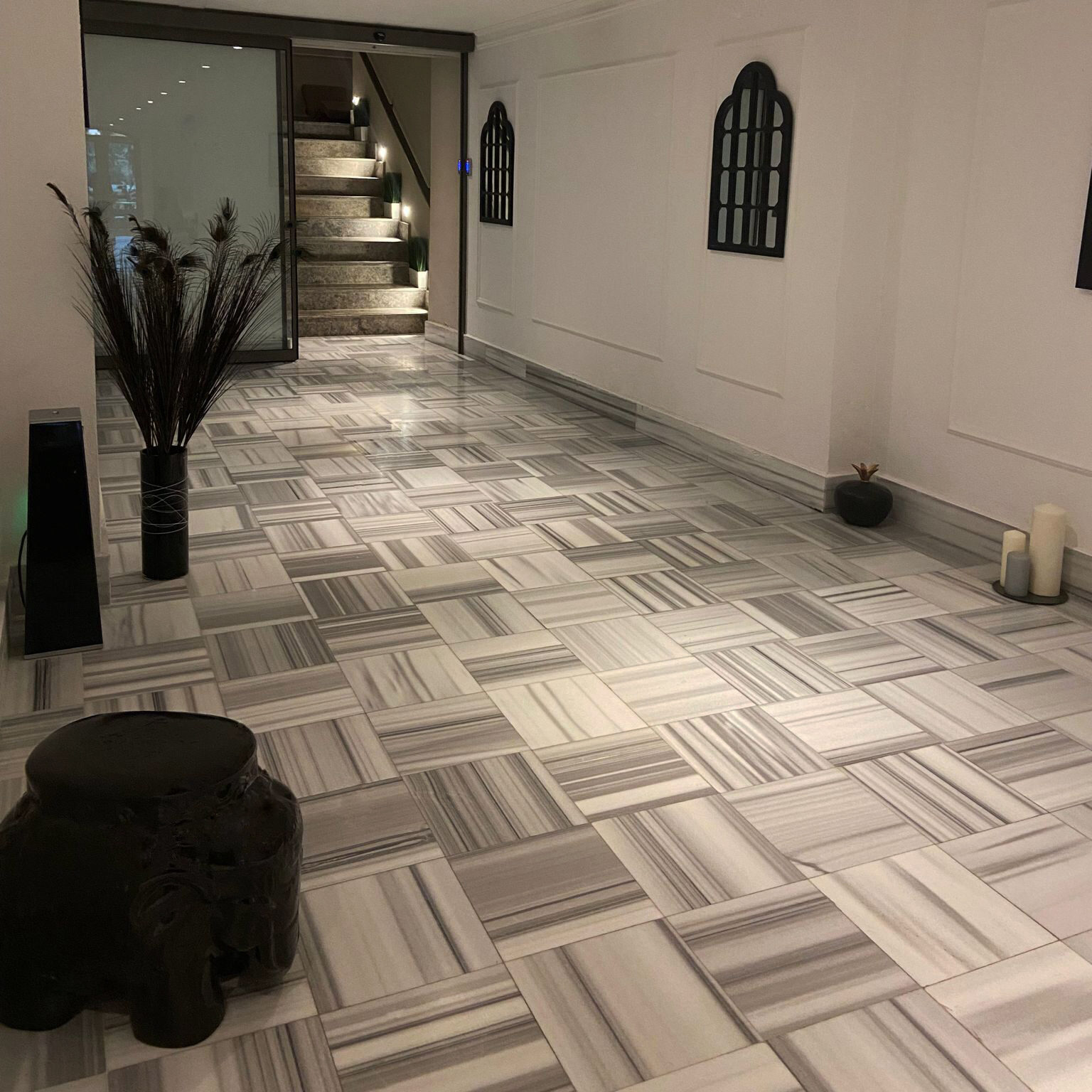
Marmara Sperenza Floor Covering
Linear Movement Within Square Forms
When applied using square-format tiles, Marmara Sperenza establishes a strong dialogue between geometry and pattern. The strict geometry of the square format is softened by the stone’s linear veining, resulting in a controlled sense of movement.
This balance introduces both order and natural variation. While the layout follows a consistent rhythm, each slab retains its individual character. The result is a surface that avoids monotony without creating visual noise.
A Powerful Surface Effect in Quiet Spaces
Marmara Sperenza does not require elaborate decoration to assert its presence. On the contrary, it reveals its true character in restrained architectural settings. Neutral walls, soft lighting, and a limited number of design elements allow the natural qualities of the stone to come forward.
As light shifts throughout the day, subtle tonal variations emerge across the surface. What appears crisp and graphic in daylight becomes softer and more nuanced under evening light. This changing character gives the space a sense of depth and continuity.
A Balanced Interpretation of Pattern in Classic Interiors
In interiors shaped by classical architectural elements, Marmara Sperenza adopts a more refined expression. When combined with wood surfaces, profile details, and darker accent elements, the veining becomes calmer and more sophisticated.
This approach positions the stone beyond stylistic boundaries. Marmara Sperenza is neither strictly modern nor exclusively classical; instead, it creates a balanced transition between the two, reinforcing the overall character of the space.
Marmara Sperenza marble offers an architectural narrative that begins at the surface and extends throughout the space. With its guiding pattern and calming tone, it demonstrates that the floor can be more than a starting point—it can be the foundation of architectural expression.