
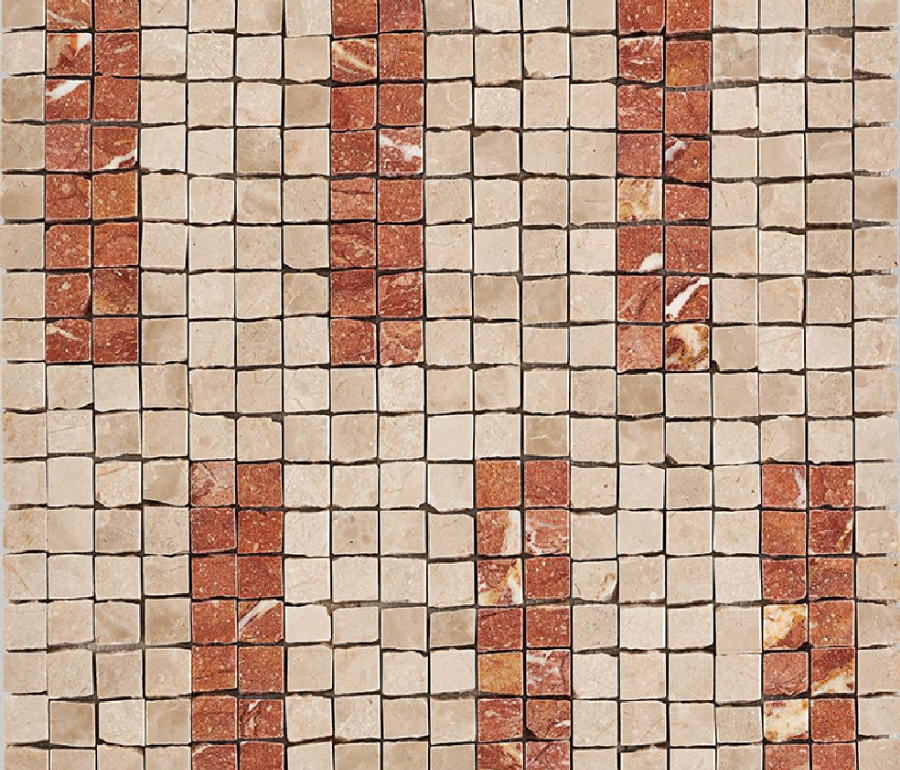
New Approaches to Surface Design with Natural Stone Mosaic Types
Natural stone mosaic types are one of the most effective ways to add character to surfaces in both interior and exterior design. Formed by combining small pieces, these systems go beyond simple coverings and become a key element that defines the identity of a space.
The true value of mosaics lies not only in the type of stone used, but in the pattern, rhythm, and surface effect they create. For this reason, natural stone mosaic types are widely preferred for creating dynamic and visually rich surfaces in contemporary design.
Why Pattern-Based Mosaic Design Matters
When examining natural stone mosaic types, the most defining factor is the pattern. The same material can create completely different visual results depending on how it is cut and arranged.
Pattern-based design allows:
- A visual flow within the space
- More dynamic surface perception
- Enrichment of simple and flat areas
- Clear definition of focal points
For this reason, choosing a mosaic should involve not only color selection but also the design language of the pattern.
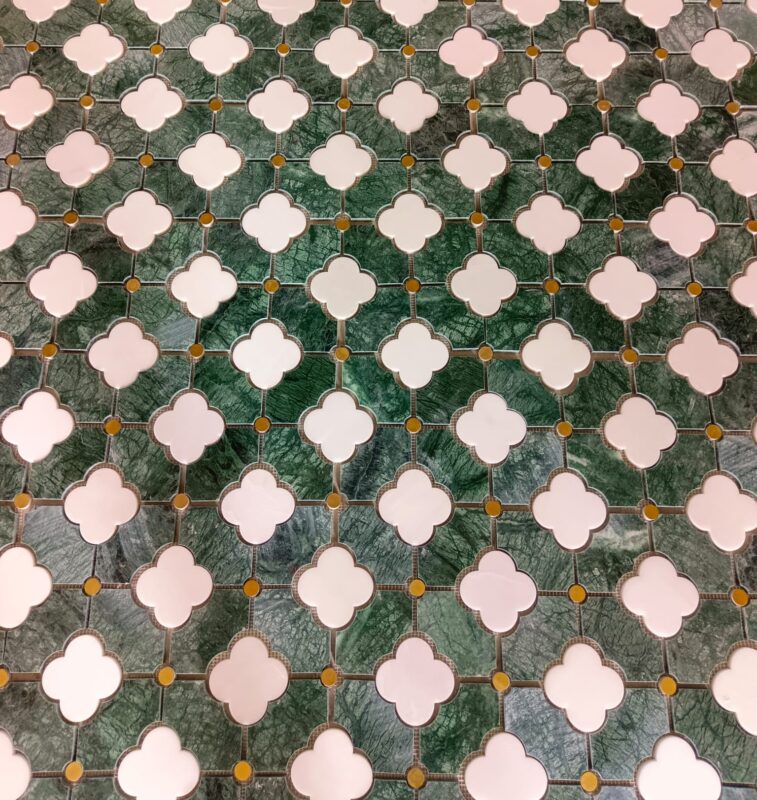
Exclusive Mosaic Collection EC-74
Geometric Mosaic Patterns
Geometric forms are among the most preferred categories of natural stone mosaic types. Repeating shapes create a balanced and structured composition across the surface.
Patterns such as quatrefoil (clover), hexagon, and grid-based layouts:
- Work well in both modern and classic designs
- Create a rhythmic visual structure
- Deliver strong impact with small-scale elements
These mosaics are suitable for both floor and wall applications.
Fan-Shaped (Scallop) Mosaic Designs
Fan or scallop-shaped mosaics introduce a more fluid and directional visual effect. These patterns are especially popular in art deco and contemporary interiors, offering a distinctive design language.
Their key advantages include:
- Creating movement across the surface
- Making spaces feel more dynamic
- Producing light and shadow variations throughout the day
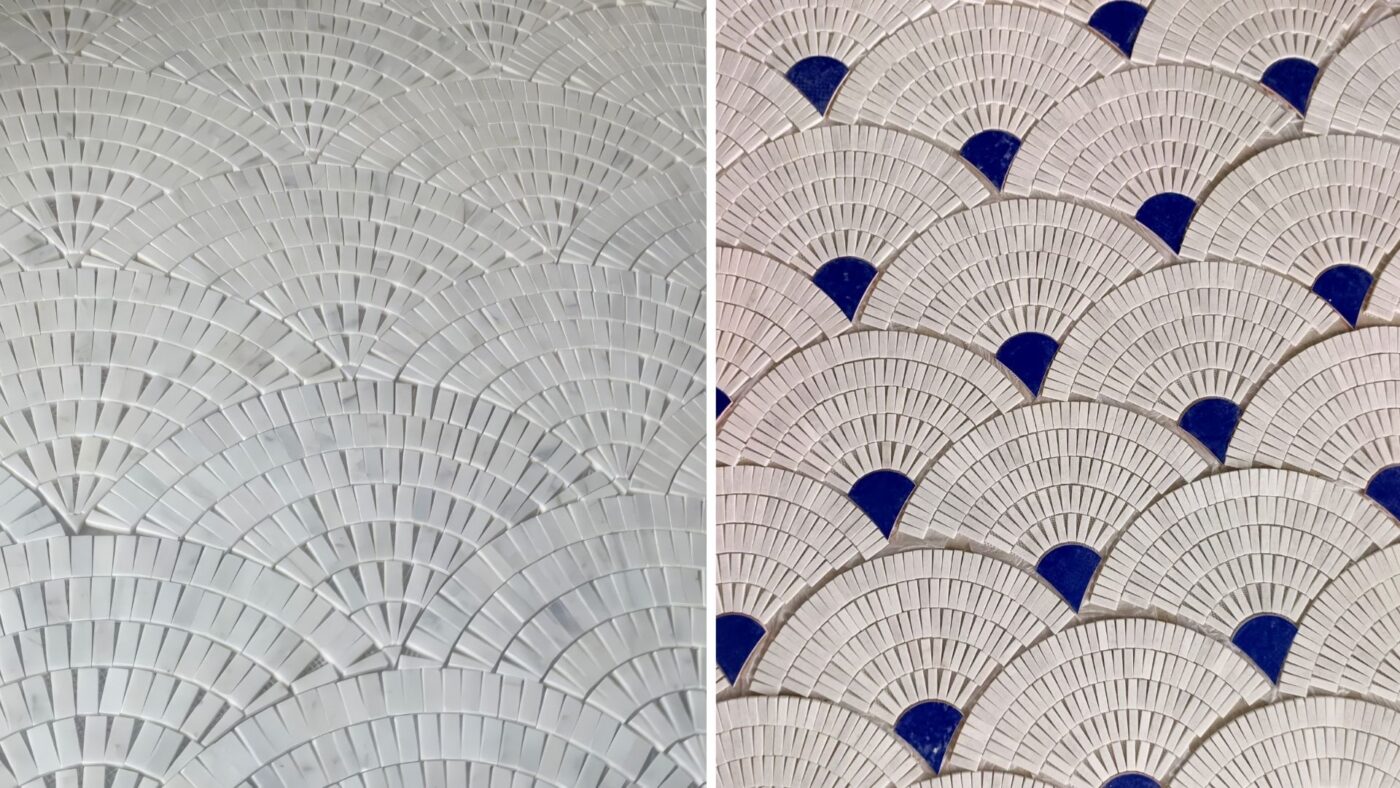
Exclusive Mosaic Collection EC-63
One of the most important features of fan-shaped mosaics is their versatility. The same pattern can achieve completely different aesthetics depending on the color combinations used. Light tones create a minimal look, while contrasting colors produce bold and eye-catching surfaces.
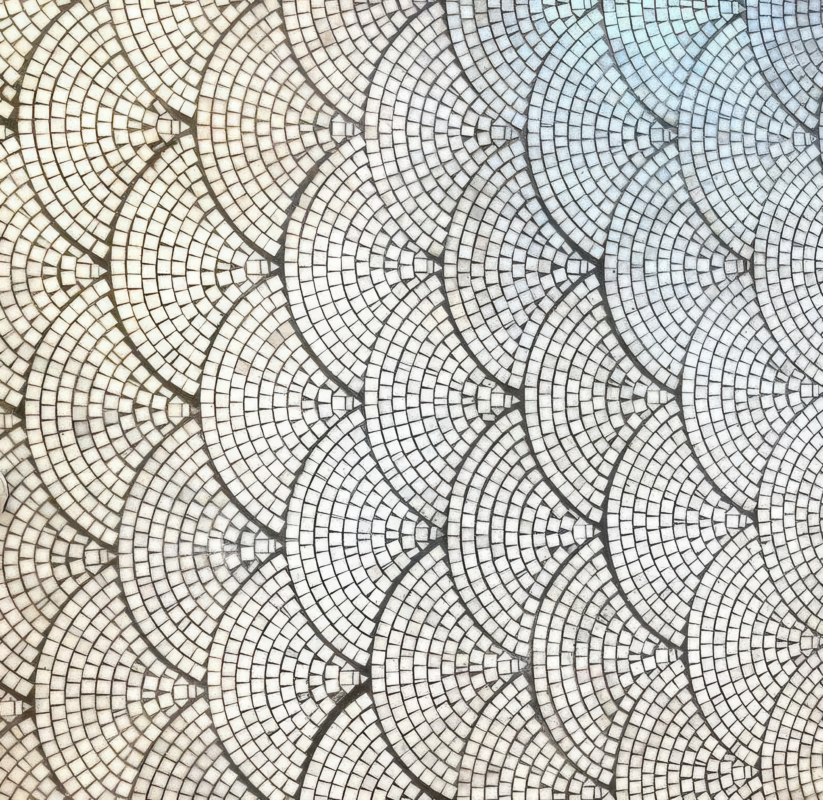
Exclusive Mosaic Collection EC-103
Round (Penny) Mosaic Types
Round mosaics, often referred to as penny tiles, create a softer and more balanced surface perception. Formed by small circular pieces, these mosaics are ideal for detailed and refined applications.
Key characteristics of penny mosaics:
- Smooth and consistent visual effect
- Flexibility in color combinations
- Strong impact even in small areas
They are commonly used in bathrooms, backsplashes, and decorative wall sections.
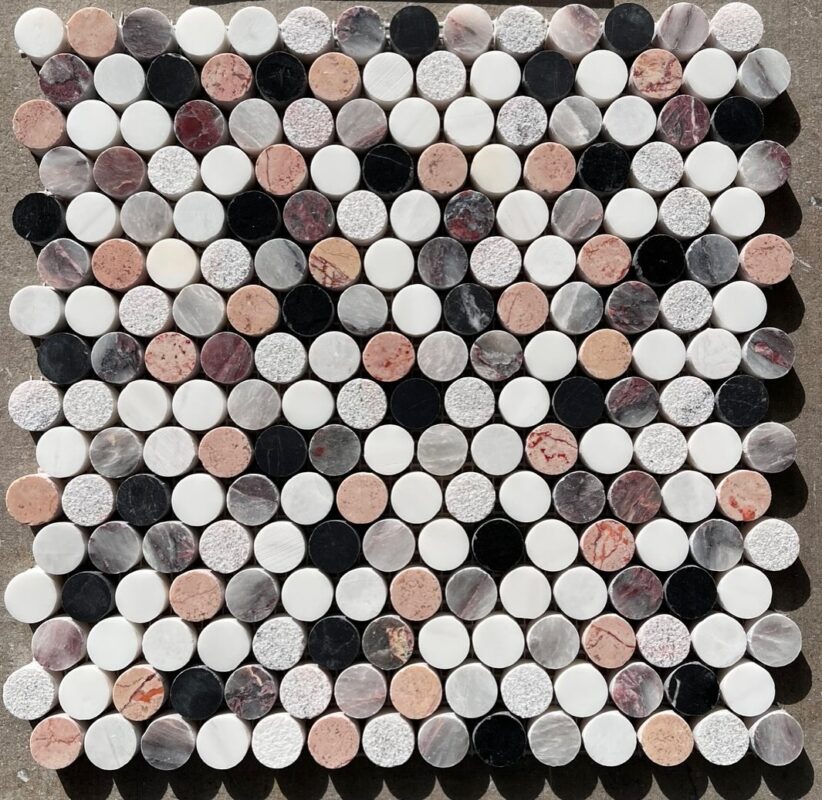
Exclusive Mosaic Collection EC-26
Combining Pattern and Color in Surface Design
Natural stone mosaic types are not only about shape; color selection plays a critical role in defining the overall effect. The right combination of materials and tones can significantly influence the atmosphere of a space.
Using both light and dark tones together:
- Enhances depth and layering
- Creates contrast or visual harmony
- Strengthens the design statement
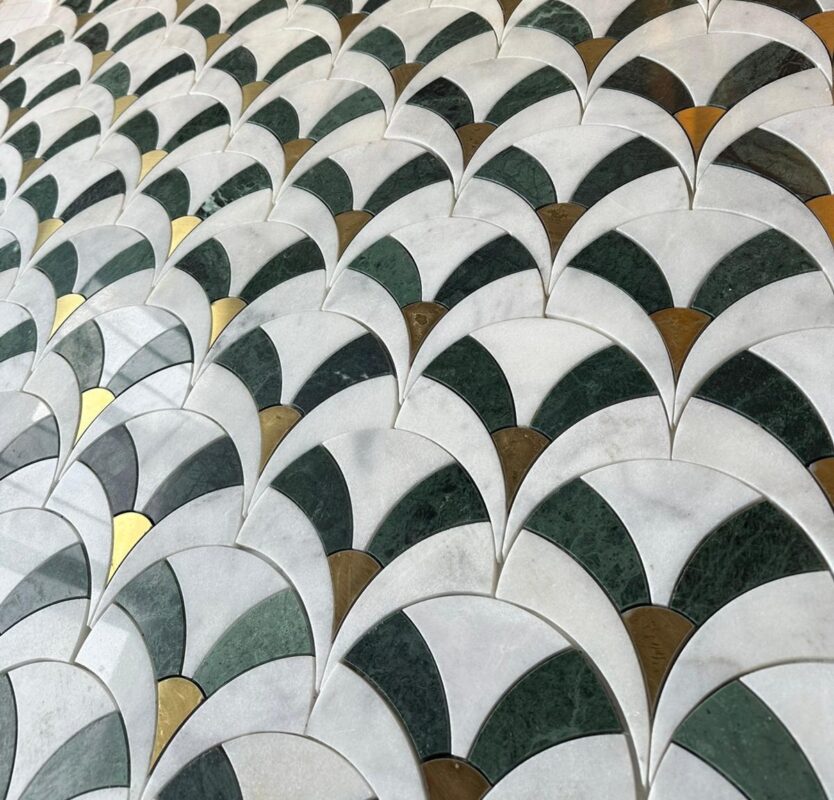
Exclusive Mosaic Collection EC-100
Applications of Natural Stone Mosaic Tiles
Natural stone mosaic types offer a wide range of applications across both interior and exterior spaces.
Common areas of use include:
- Bathroom and kitchen walls
- Flooring applications
- Backsplash designs
- Decorative feature walls
- Custom design surfaces
This versatility allows mosaics to adapt easily to different architectural styles and project needs.
Conclusion
Natural stone mosaic types are a powerful design solution that combines aesthetics and functionality. Through pattern, texture, and color combinations, they bring a unique identity to any surface.
When selected carefully, mosaics can transform ordinary surfaces into strong architectural features. In this sense, mosaic is not just a covering material, but a design tool that shapes spatial perception.
For projects aiming to create depth, movement, and originality, natural stone mosaic types remain a timeless and effective choice.